
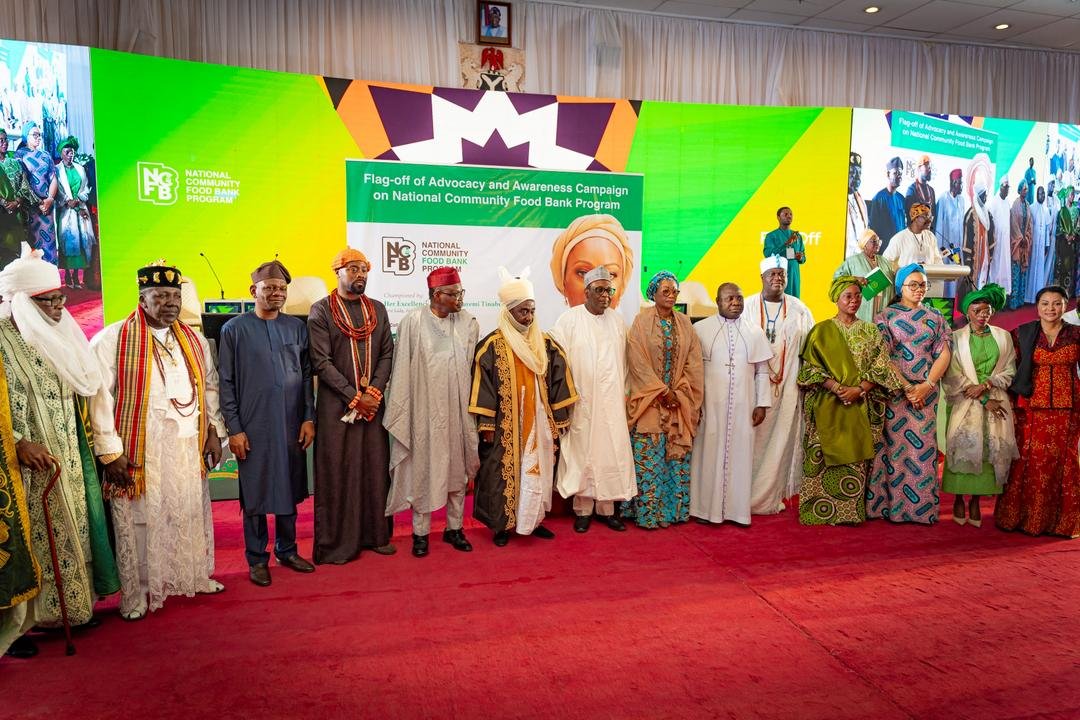
Nigeria’s traditional rulers have expressed support for President Bola Tinubu’s health reforms, pledging to mobilise communities, counter vaccine misinformation and strengthen primary health care delivery across their domains.
They made commitment on Tuesday in Abuja during a national summit that brought together senior government officials, development partners, and traditional leaders.
At the summit, the traditional rulers outlined a coordinated plan to support immunisation, maternal and child health, and nutrition programmes.
The leaders said their grassroots influence places them in a unique position to promote immunisation, disease prevention and health-seeking behaviour across communities.
They described the collaboration as a remarkable step forward towards building a healthier and more prosperous nation.
President Tinubu had earlier noted that no health reforms in Nigeria can succeed without traditional and religious leaders.

Six-point pledge on health, development
At the forum, the traditional rulers outlined six key commitments aimed at strengthening health outcomes and national development.
They pledged to leverage their platforms and community forums to promote routine immunisation, disease prevention, maternal and child health services, and timely health-seeking behavior.
They also committed to engaging communities to embrace vaccination and other health initiatives, addressing resistance arising from misinformation, fear, or cultural misunderstanding.
They promised to identify and facilitate access for underserved populations, including border, nomadic, and insecure areas, working closely with health and security agencies to ensure no community is neglected.
They further promised to actively monitor health interventions within their jurisdictions and ensure community feedback reaches relevant authorities.
The rulers also reaffirmed their readiness to collaborate with federal, state, and local governments, as well as development partners, aligning traditional leadership initiatives with national and sub-national health priorities.
In addition, they committed to safeguarding the health rights of women, children, and adolescents through maternal health programmes, nutrition support, adolescent health education, and prevention of vaccine-preventable diseases.
‘Collaboration protects lives’
Speaking at the summit, the Emir of Zazzau in Kaduna state, Ahmed Bamalli, recalled how traditional institutions supported polio eradication efforts under former President Muhammadu Buhari.
Mr Bamalli said when the committee was first formed, polio cases had risen to almost a thousand and after the committee’s interventions, the figure dropped to less than 100.
 He added that this proves that when government and traditional institutions collaborate, the lives of the people are protected.
The Shehu of Borno, Abubakar El-Kanemi, urged traditional rulers nationwide to spearhead public health efforts, particularly in addressing vaccine-preventable diseases, maternal and newborn mortality, malnutrition and emerging outbreaks.
Mr El-Kanemi who was represented by Mr Bamalli said traditional leaders possess grassroots authority rooted in culture and community trust, enabling them to promote positive health behaviour, combat misinformation and partner with the government for universal health coverage.
He called on leaders to translate summit resolutions into community actions, positioning leaders as ambassadors for health equity and resilience to build stronger Nigeria.
Development partners back grassroots model
The World Health Organisation’s Country Representative to Nigeria, Pavel Ursu, praised Nigeria’s engagement of traditional institutions, describing it as a model that reaches communities “where politicians and health workers often cannot.”
Mr Ursu cited progress in measles-rubella campaigns, routine immunisation and primary health care revitalisation while urging sustained efforts to eradicate polio and ensure equitable access to quality services.
READ ALSO: Electoral Act Amendment Bill: Reps deputy spokesperson defends opposition walkout
The World Bank Country Director for Nigeria, Mathew Verghis, said Nigeria’s ambition of becoming a trillion-dollar economy depends on investments in human capital, particularly through coordinated early childhood efforts from pregnancy onward, encompassing health, nutrition, water, sanitation, caregiving, and early learning.
Mr Verghis noted that traditional and faith leaders play a critical role in shaping household practices, gender norms, nutrition, caregiving and women’s decision-making.
He affirmed the World Bank’s commitment to partnering with Nigeria’s government, people, and faith institutions to drive these changes at community levels.