
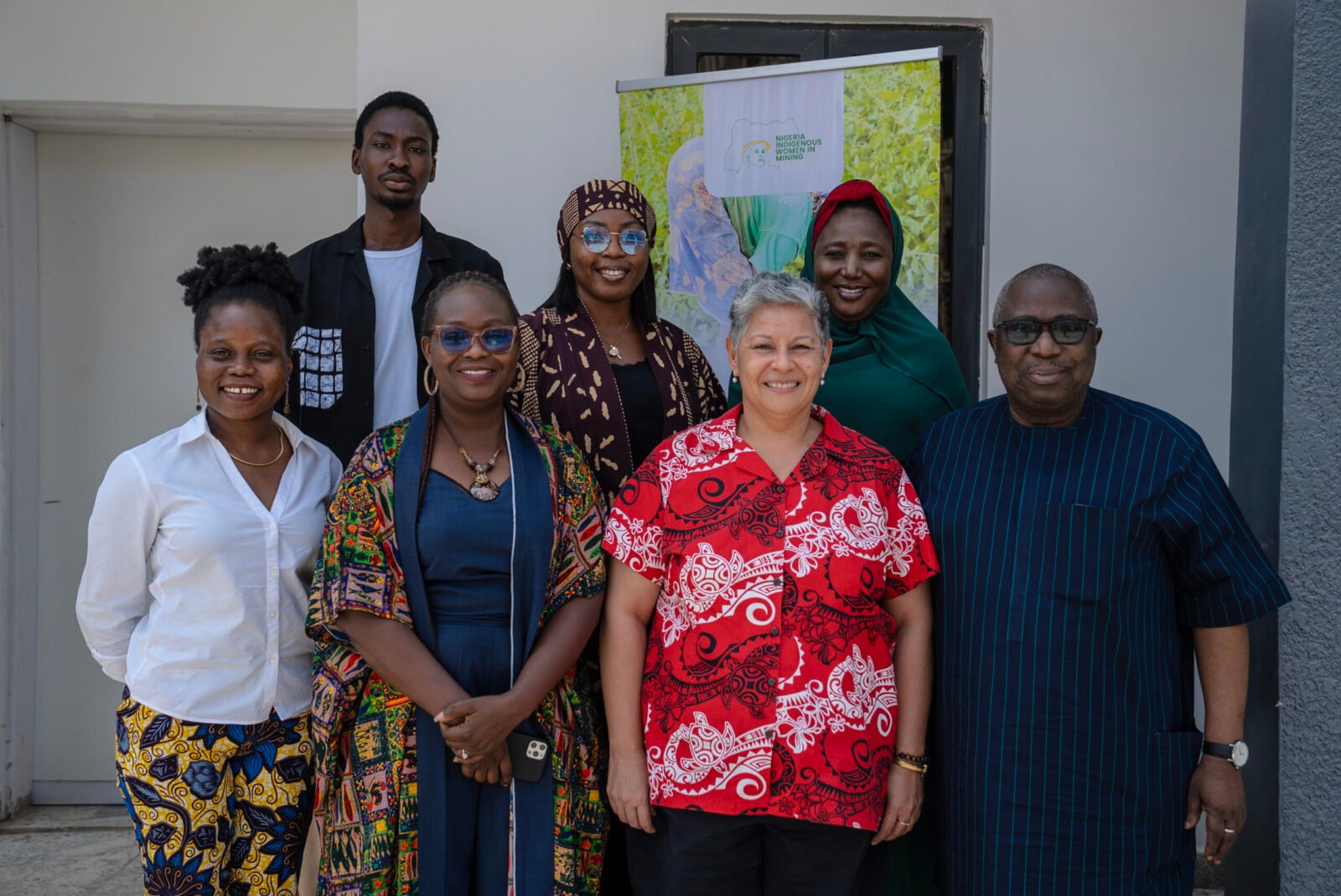
The Australian High Commissioner to Nigeria, Leilani Bin-Juda, has described the hardships faced by women in the Nigerian artisanal mining sector as “unbelievable” and affirmed the need for continued empowerment.
She made this declaration during a courtesy visit to the Indigenous Women in Mining and Natural Resources Organisation (NIWIMNRO) office in Abuja on Friday.
NIWIMNRO is a non-profit organisation focused on improving the socio-economic well-being of Indigenous women in Nigeria’s artisanal and small-scale mining (ASM) sector.
The high commissioner was received by the organisation’s Chief Executive Officer, Dapo Olorunyomi; a board member, Fatimah Maikore; the Executive Director, Felicia Dairo; Research and Grant Officer, Taiwo Ojo; Project Officer, Chiamaka Ozurumba; Communications Lead, Adeiza Sanni, and an intern, Christopher Miri.
According to Ms Bin-Juda, the difficult conditions women at mining sites across the country are forced to endure necessitate the need for targeted livelihood support and stronger inclusion in the sector.
“The struggles that these women, particularly, have to undergo are unbelievable,” she said after watching a short documentary produced by NWIMNRO, which highlighted many of these conditions.

The documentary showed the back-breaking labour and health hazards faced by women who represent approximately 40 per cent of Nigeria’s 700,000 artisanal miners.
These women are often found digging for gold and iron ore at the surface level using their bare hands and feet, often exposed to toxic chemicals like mercury without safety equipment.
The project officer, Ms Ozurumba, explained that the identification of these challenges necessitated the establishment of the organisation.
“NIWIMNRO exists because we have noticed that women, especially artisan women who contribute significantly to the economy, have been strategically excluded from benefiting from everything that comes from it,” she said.
NIWIMNRO identified this gap in the mining sector and decided to solve it, while promoting gender equality.
Ms Ozurumba said the organisation is addressing this gap using nine strategic points. This includes resources, market value chain integration, evidence-based research, data collection and documentation.
It is also prioritising technology and innovation, community development, capacity building and training, policy advocacy and gender inclusion in its efforts.
“Everything we do is informed by evidence-based research,” she said. “We are not acting in isolation or in the dark. We conduct visits, speak to some of these women and this interaction informs our intervention.”
She also stated that the organisation has trained 20 women drawn from Niger State, Kaduna State and the FCT.
The executive director, Ms Dairo, explained that the beneficiaries have since informally shared the knowledge acquired with other women miners within their respective communities.
As a result, the programme’s reach extended beyond the initial cohort.
The CEO, Mr Olorunyomi, described the goal of the organisation as a re-elevation of the role of women in development, particularly in sectors where their contributions have historically been overlooked.
“What we try to do with NIWINRO is to centre our engagement in the role of women in the development of Africa. It revalues the very important, very consequential role women play in the mining economy,” he said.

NIWIMNRO is also planning to enlarge its footprint beyond the initial three states and scale up training and opportunities for women artisanal miners.
Ms Dairo also said the organisation is focused on understanding the unique experience of women miners across the country.
ALSO READ: Organisation trains artisanal women miners in Kaduna
“That would help inform the kind of training, and capacity building we provide for them. So needs assessment is currently ongoing. We’ll be speaking with the partners, and relevant government bodies to help identify more specific issues affecting the women,” she said.
The high commissioner commended the vision and ambition of the initiative, noting it was practical and clearly aligned with efforts to improve women’s livelihoods at the grassroots level.
She also stressed the importance of credible statistics to demonstrate impact.
“You need bottom-line figures,” she said. “From when to when did you collect the data? How many women were impacted? That is absolutely key to your deliverables.”