
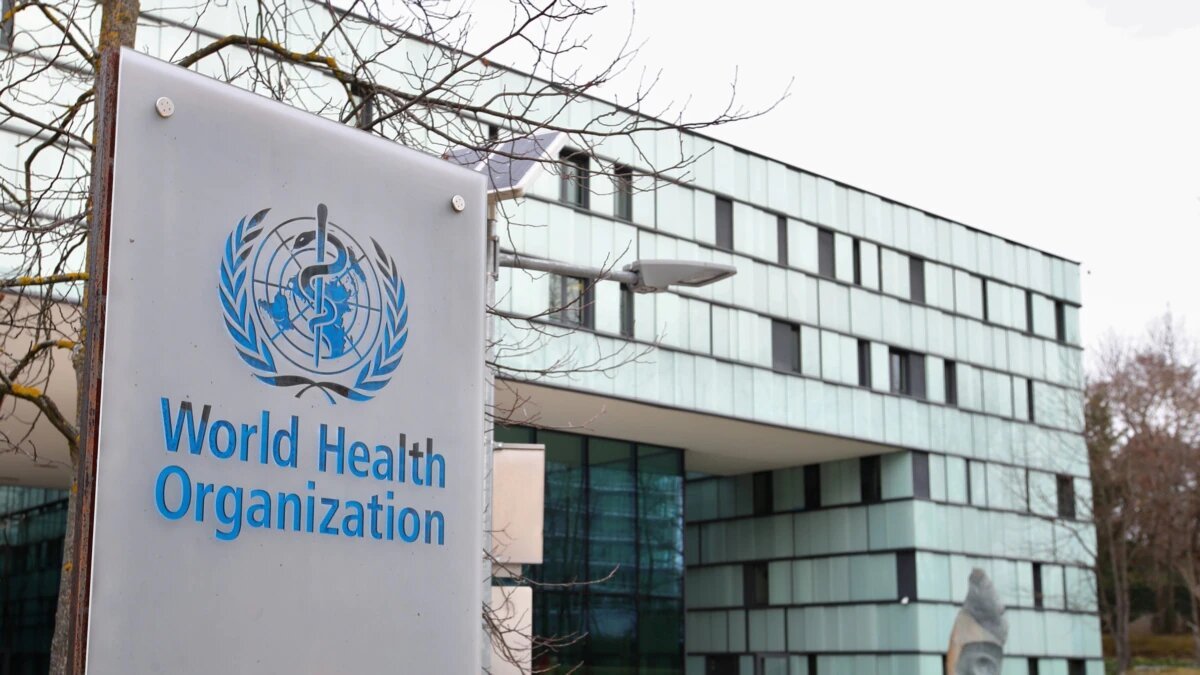
The World Health Organisation (WHO) has warned that temporary airspace restrictions linked to the US/Israel-Iran war are significantly disrupting the delivery of emergency medical supplies to over 1.5 million people across 25 countries.
WHO, in a statement on Wednesday, noted that more than 50 urgent supply requests from its global logistics hub in Dubai have been delayed.
It said priority shipments affected include supplies for Al Arish, Egypt, to support the Gaza response, as well as critical medical items for Lebanon and Afghanistan.
WHO also confirmed that a shipment containing cholera response supplies for Mozambique is expected to depart the hub in the coming week.
Escalating conflict
The disruption comes as the conflict enters its second week, with health systems across the Middle East under severe pressure.
National authorities report over 1,300 deaths and 9,000 injuries in Iran, at least 570 deaths and 1,400 injuries in Lebanon, and 15 deaths and 2,142 injuries in Israel.

WHO said it has verified 18 attacks on healthcare in Iran since 28 February, resulting in eight deaths among health workers. In Lebanon, 25 verified attacks have caused 16 deaths and 29 injuries.
“These attacks not only cost lives but deprive communities of care when they need it most,” WHO said, adding that health workers, patients, and facilities must always be protected under international humanitarian law.
Public health risks
Beyond immediate casualties, the conflict is creating wider public health challenges.
According to the WHO, more than 100,000 people in Iran have relocated to other areas due to insecurity. In Lebanon, up to 700,000 people are internally displaced, many living in overcrowded collective shelters with limited access to safe water, sanitation, and hygiene.
These conditions increase the risk of respiratory infections, diarrhoeal diseases, and other communicable illnesses, particularly for women and children.
“Environmental hazards are also a rising concern. In Iran, petroleum fires and smoke from damaged infrastructure exposed nearby communities to toxic pollutants that potentially cause breathing problems, eye and skin irritation, and contaminated water and food sources,” it noted.
Access to health services
WHO further noted that medical access is increasingly constrained across the region. In Lebanon, 49 primary health-care centres and five hospitals have shut following Israeli military evacuation orders, reducing essential services as medical needs rise.
In the occupied Palestinian territory, movement restrictions and checkpoint closures are delaying ambulances and mobile clinics across the West Bank.
ALSO READ: US/Israel-Iran War (Day 13): Oil tankers attacked in Iraq, Iran warns against protests
In Gaza, medical evacuations have been suspended since 28 February, while hospitals operate under strain amid shortages of medicines, medical supplies, and fuel.
Fuel rationing prioritises emergency care, trauma services, maternal and neonatal care, and communicable disease management.
Humanitarian needs
The WHO update highlights that the escalation comes at a time when humanitarian needs in the Eastern Mediterranean Region were already among the highest globally.
An estimated 115 million people require humanitarian assistance, almost half of all people in need worldwide, while humanitarian health emergency appeals remain 70 per cent underfunded.
“Without protection for health care, sustained humanitarian access and stronger financial and operational support for the humanitarian health response, the strain on vulnerable populations and already fragile health systems will continue to grow,” it noted.
The WHO Director-General, Tedros Ghebreyesus, has repeatedly emphasised that all parties to the conflict must prioritise civilian safety, uphold international humanitarian law, and ensure health workers and facilities are not targeted.
In the latest statement, WHO “calls on all parties to protect civilians and health care, ensure unimpeded and sustained humanitarian access, and pursue de-escalation of the conflict so communities can begin to recover and move towards peace.”