
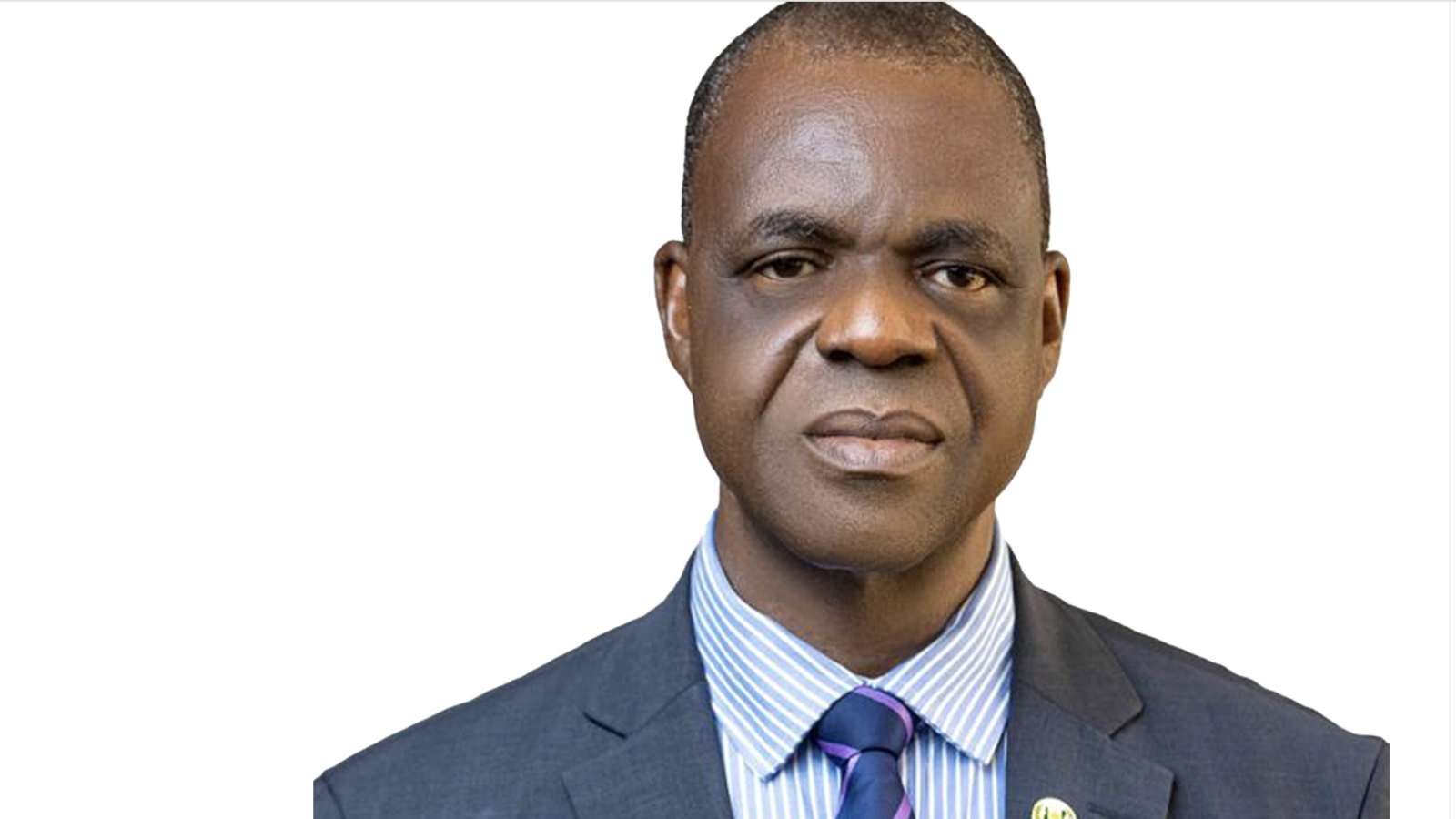
Top officials in the Nigerian government are mounting pressure on President Bola Tinubu to intervene in the ongoing probe into the Chief Judge of the Federal High Court, John Tsoho, over allegations that he failed to disclose certain bank accounts in his asset declaration forms.
Multiple sources familiar with the matter told PREMIUM TIMES that senior political figures and judicial actors have, in recent days, appealed to the president to prevail on the Code of Conduct Bureau (CCB) to terminate or soften its investigation of the judge.
Those said to be lobbying the president include a cabinet minister from the South-South region, influential political office holders from Justice Tsoho’s native Benue State, and several senior figures within the judiciary.
According to sources, the appeals have been made both directly to the president and indirectly through his close associates.
The controversy has also reverberated within the judiciary. The National Judicial Council (NJC), chaired by the Chief Justice of Nigeria, Kudirat Kekere-Ekun, had scheduled an urgent meeting for 6 March to deliberate on allegations against the chief judge of the Federal High Court.
However, the meeting was abruptly called off late on 5 March.

Members of the council were not given a formal explanation for the cancellation, but insiders said the decision was taken to allow more time for behind-the-scenes efforts to persuade the president to intervene.
“The feeling among some stakeholders is that if the president steps in early enough, the matter may not escalate,” one source familiar with the discussions said.
Tinubu weighing options
Sources said President Tinubu has not taken a definitive position but promised to reflect on the matter and consult further.

However, some of his close associates are counselling him against intervening in the CCB investigation, warning that such a move could undermine the administration’s anti-corruption posture.
They argue that interfering in the bureau’s work could set a dangerous precedent and expose the president to criticism from opposition parties and anti-graft activists, particularly as political tensions rise ahead of the next electoral cycle.
When contacted by PREMIUM TIMES, the Special Adviser to the President on Information and Strategy, Bayo Onanuga, said he was unaware that pressure was being mounted on the President over the matter.
Nigeria’s Constitution prescribes a strict process for removing heads of superior courts, including the Chief Judge of the Federal High Court.
Under Section 292(1)(a) of the Constitution, the president cannot remove the Chief Judge on his own initiative. Instead, such a removal can occur only after the Senate passes a resolution supported by a two-thirds majority, calling on the president to remove the judicial officer.
The address must state that the judge should be removed for inability to discharge the functions of office — whether arising from infirmity of mind or body — or for misconduct or contravention of the Code of Conduct.
Legal experts say the provision was designed to protect judicial independence by ensuring that the removal of senior judicial officers requires a rigorous constitutional process involving both the legislature and the executive.
If the Code of Conduct Tribunal convicts Justice Tsoho, President Tinubu can then address a letter to the Senate asking for his removal.
Alternatively, the judge can be advised to resign to spare him the humiliation that removal could bring.
Allegations against Justice Tsoho
The CCB’s move followed a PREMIUM TIMES investigation, which revealed that Justice Tsoho allegedly failed to disclose some of his bank accounts in the asset declaration form he submitted to the bureau on 29 April 2024.
Documents reviewed by this newspaper showed that the judge did not declare three accounts held with United Bank for Africa, as well as another account domiciled with Access Bank.
Under Nigeria’s Code of Conduct regime, public officials are required to fully disclose all assets, including bank accounts and the funds held in them. Non-disclosure or false declaration constitutes a breach of the law and may attract severe sanctions.
READ ALSO: Chief Judge of Federal High Court, Tsoho, reacts to CCB invitation
If the allegations are substantiated and the matter proceeds to the Code of Conduct Tribunal, the judge could face penalties ranging from removal from office to disqualification from holding public office for up to 10 years, as well as forfeiture of improperly declared assets.
Justice Tsoho has said he is willing to cooperate with investigators.
In a statement issued through the court’s Director of Information, Catherine Christopher, the chief judge said he would appear before the CCB once his lawyer Kanu Agabi returns to Nigeria from a medical trip abroad.
“The Honourable Chief Judge remains fully committed to cooperating with the Code of Conduct Bureau,” the statement said, adding that any date within the week beginning 16 March would be convenient for him to attend the inquiry.
The unfolding controversy has drawn comparisons with the high-profile case of former Chief Justice of Nigeria Walter Onnoghen, who was controversially convicted and removed from office in 2019 after the Code of Conduct Tribunal found him guilty of failing to declare several bank accounts.
Although the Court of Appeal later overturned Mr Onnoghen’s conviction in 2024 following a settlement agreement with the federal government, the episode remains one of the most contentious cases of judicial accountability in Nigeria’s recent history.