
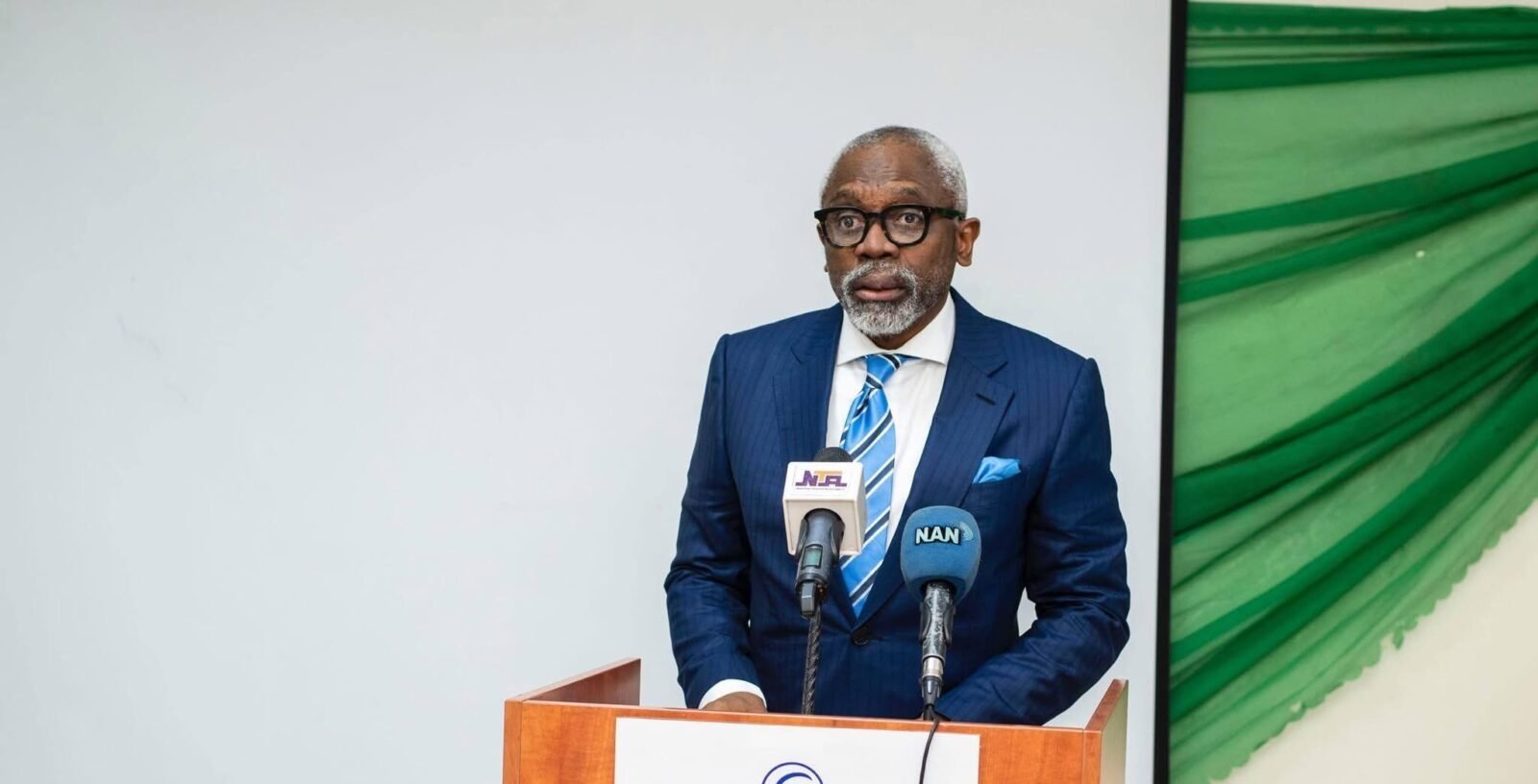
The Chief of Staff to the President , Femi Gbajabiamila, has said that Nigeria must treat education as a national emergency and not just a policy issue if it hopes to secure its future.
Mr Gbajabiamila, who is a former Speaker of the 9th House of Representatives, spoke on Monday at the International Day for Education 2026 conference themed “Re-imagining the Future of Education in Nigeria: Collaborative Solutions for a Brighter Tomorrow.”
The International Day of Education is marked globally every 24 January. It was proclaimed in 2018 by the United Nations General Assembly to highlight education as a fundamental human right and a public good that drives peace, sustainable development and equality.
The day serves as a reminder that without inclusive and quality education, countries cannot break the cycle of poverty or achieve meaningful progress.
With Nigeria having the highest number of out-of-school children in the world, estimated at over 20 million, there are also several gaps in inclusive education, with children with disabilities and many girls still facing barriers to learning. Insecurity in parts of the country has further disrupted schooling.
Against this backdrop, Mr Gbajabiamila said education is the most powerful lever for national transformation and must remain central to government policy.

“It is the bridge between potential and productivity; between aspiration and achievement. For Nigeria, Africa’s most populous nation, education is not simply a sectoral concern. It is an existential imperative,” he said.
Mr Gbajabiamila recalled that during his tenure as Speaker of the 9th House, he sponsored the Students’ Loans Bill to ensure that no Nigerian would be denied tertiary education because of financial hardship.

According to him, access to higher education should depend on merit and potential, not privilege.
The former speaker added that within the first three months of the current administration, President Bola Tinubu assented to the bill, leading to the establishment of the Nigerian Education Loan Fund.
“Upon my resumption as chief of staff to the president, it remained a matter of priority for me to see that this reform translated from legislative intent into enforceable national policy,” he added.
He described the move as a clear sign that education is central to the President’s Renewed Hope Agenda.
Mr Gbajabiamila also commended the Speaker of the House of Representatives, Abbas Tajudeen, for convening the conference and for prioritising legislative engagement on education reform.
He said the 10th House has shown urgency in strengthening oversight of tertiary education funding and promoting accountability in the sector.
“As Chief of Staff to the President, you can always count on my support. Education will remain central to the Renewed Hope Agenda,” he said.
He urged participants to ensure that the conference produces practical recommendations that can improve funding efficiency, strengthen oversight and align education laws with current realities.
“Nigeria’s brightest tomorrow will be built in the classrooms we strengthen today,” he said.
Earlier, the Special Adviser to the Speaker on International Cooperation and Educational Development, Abisoye Da Rocha-Afodu, said the conference was designed to move beyond speeches to practical solutions.
She explained that the International Day of Education was set aside by the United Nations to remind governments of their duty to guarantee access to learning for every child.
According to her, education is not just a social service but a right recognised under international law.
She said Nigeria’s education system is facing multiple and overlapping challenges that require urgent and coordinated action. These include limited access to quality education in underserved communities, weak infrastructure, outdated curricula that do not reflect global standards, and insufficient integration of digital skills needed in a modern economy.
Mrs Da Rocha-Afodu also highlighted poor teacher welfare and inadequate training as factors affecting learning outcomes. She stressed that without motivated and well-equipped teachers, reforms in infrastructure and curriculum would not deliver results.
She drew attention to the high number of out-of-school children, describing it as a national concern that threatens social stability and economic growth. According to her, when millions of children remain outside the classroom, the country risks deepening inequality and insecurity.
“Over the years, our educational system has been plagued with significant challenges, ranging from limited access to quality education to children in underserved communities making Nigeria the country with the highest number of out of school children in the world with over twenty million OOS children,” she said.
She stressed the need for stronger partnerships between government institutions, development partners, the private sector and communities to expand access to quality education, promote girl-child education and ensure inclusion for persons with disabilities.
She explained that although the International Day of Education is marked globally on 24 January, the conference was held in February because the National Assembly was on recess in January. She said the timing allowed for broader participation and deeper engagement.
On accountability, she said the House is considering legislative measures that would ensure periodic reporting and monitoring of funds allocated to education programmes. According to her, stronger oversight is necessary to prevent misuse of resources and to ensure that allocated funds are used for their intended purpose.
Also speaking, a member of the House, Fuad Laguda (APC, Lagos), said the conference provided an opportunity to assess Nigeria’s education system against international standards.
Mr Laguda who chairs the House Committee on Federal Polytechnics and Higher Technical Education, said “funding remains one of the biggest challenges facing the sector, especially in polytechnics and higher technical institutions.”
According to him, collaboration is key to reform, noting that participants at the conference came from different sectors to find common ground and build synergy.
He added that any country that wants to develop must invest heavily in education, stressing that Nigeria must aim higher if it hopes to compete globally.