
The Nigerian Bar Association (NBA) on Tuesday condemned an attempt by a Federal High Court judge in Abuja, Mohammed Umar, to subject a lawyer, Marshall Abubakar, to a stress-position punishment during proceedings on Monday.
Mr Umar ordered Mr Abubakar to kneel during a tense exchange between them, but the directive was resisted by the lawyer and ultimately halted following the intervention of other counsel in the courtroom.
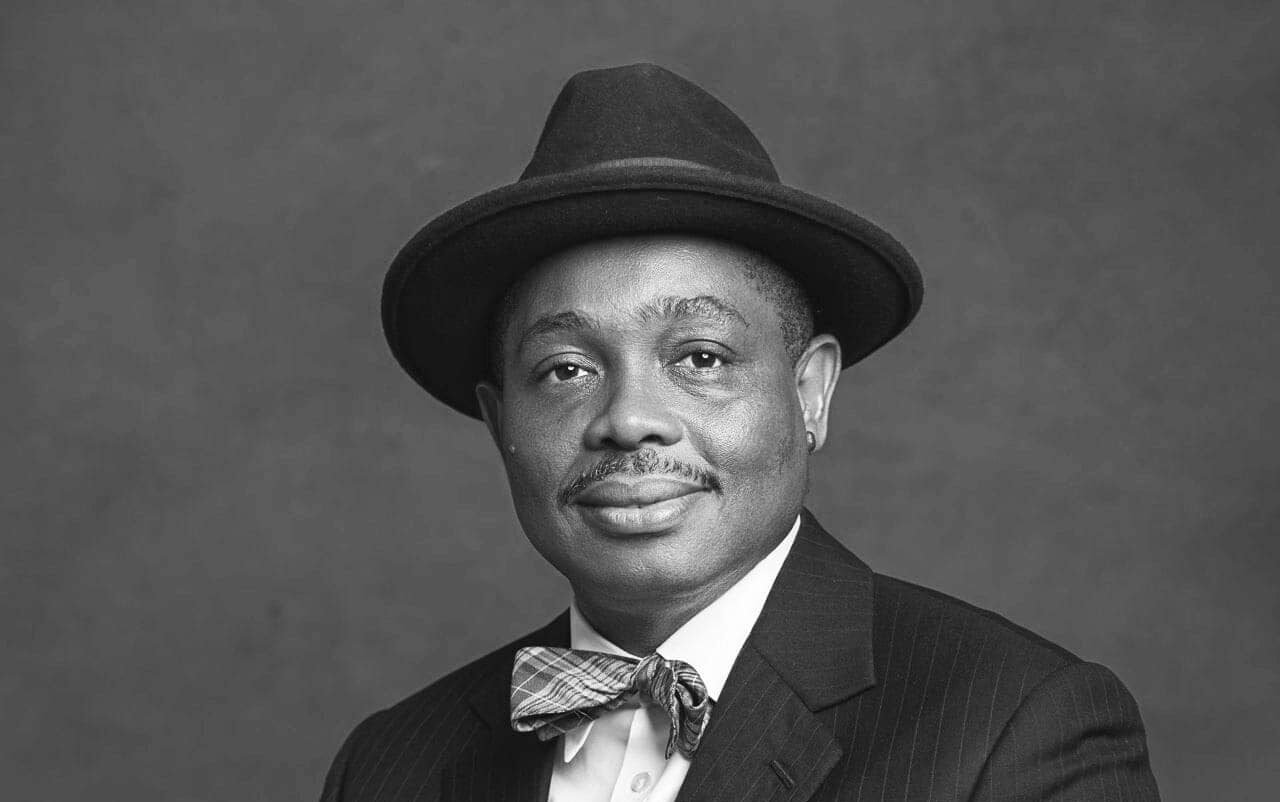
NBA issued a statement, signed by its president, Afam Osigwe, condemning the judge’s conduct on Tuesday.
“A judex directing a legal practitioner or indeed any person whatsoever to kneel in court is not a recognised judicial sanction under our laws and does not align with the standards of judicial conduct expected on the Bench,” said Mr Osigwe, who is a Senior Advocate of Nigeria (SAN).
PREMIUM TIMES earlier reported that the judge ordered Mr Abubakar to “kneel down” in court after the lawyer repeatedly raised his voice during proceedings on Monday.
The judge also threatened to commit him to prison for contempt.

Mr Abubakar appeared before the judge as the lead defence lawyer for Sahara Reporters publisher Omoyele Sowore, who is facing prosecution for calling President Bola Tinubu a “criminal” in his posts via his X and Facebook handles last year. Monday’s drama started after defence lawyer, Mr Abubakar, concluded the cross-examination of the only prosecution witness.
The prosecuting lawyer, Akinlolu Kehinde, a Senior Advocate of Nigeria (SAN), then announced the closure of their case and applied that the defence be called upon to open their case.
When the judge asked Mr Abubakar when they planned to open their defence, the lawyer said the defendant would make a no-case submission and suggested that the court should adjourn until a date in July.
Responding, Mr Kehinde objected and argued that it was part of the defence’s dilatory tactics intended to further delay proceedings.
He suggested that the case be heard on a daily basis.
In his intervention, the judge said that while the prosecution was swift in conducting its case, the defence was tardy, spending four days in cross-examining the prosecution’s only witness.
The judge said it was not feasible to hear the case on a daily basis, but directed parties to return on 13 April for the adoption of their final written addresses in respect of the no-case submission.
Mr Abubakar seemed uncomfortable with that date.
While Mr Sowore was addressing the judge from the dock on how the proposed date might affect his party’s upcoming primaries, his lawyer also simultaneously began addressing the judge, narrating how his client was poised to wrestle power from President Tinubu.
“This court belongs to all of us. This court is not for some people alone. It belongs to all of us,” Mr Abubakar yelled.
Attempts by the judge to make the lawyer lower his voice were unsuccessful.
The judge said, “If you shout in this court again, I will commit you for contempt. In fact, come here! Come and kneel down here!” He pointed to a spot in front of the courtroom
On realising the unsavoury turn of events, other lawyers, led by the prosecution counsel, jumped to their feet and began to beg the judge to forgive the lawyer.
While the lawyers were still begging, the judge pronounced that the case had been adjourned until 13 April for adoption, and rose for the day.
Concerns for legal profession
NBA said it “views this development with utmost seriousness, given its implications for the dignity of the legal profession and the sanctity of the courtroom.”
The association said the courtroom is a temple of justice, governed by law, procedure, and decorum.
It said judges can maintain order, “but they must act within the law and recognised judicial standards.”
Mr Osigwe further explained that while courts can punish for contempt, “the power is limited by procedures that protect fairness, objectivity, and the rights of all participants.”
However, Mr Osigwe noted that lawyers also have a duty to act with restraint, professionalism, and respect for the court.
“Lawyers are obliged to advocate firmly and fearlessly for their clients, but such advocacy must always be exercised within the bounds of courtesy and decorum,” the statement said.
The statement added that disagreements, “no matter how strongly felt, must go through proper legal channels and not disrupt proceedings or undermine court authority.”
It reiterated that “legal profession depends on a careful balance of mutual respect between the Bar and the Bench, a relationship fundamental to administering justice.”
He said the dignity of the court must be preserved not just in the outcome but also in how judicial authority is exercised.
The association therefore called for calm and restraint, urging that any grievances from courtroom incidents be addressed through institutional and disciplinary mechanisms.
The NBA said it will engage relevant authorities “where necessary to uphold the rule of law, professional standards, and judicial ethics.”