

For the Nigeria Police to truly fulfil its mandate, it is essential to create an environment in which merit and professionalism are consistently rewarded, rather than allowing patronage and favouritism to dictate advancement and responsibility. Only by restoring integrity and purpose to the Force, starting with the four pillars that prioritise discipline, meritocracy, and accountability, can we return the soul to the organisation and empower it to protect the nation, effectively.
If one really wishes to know how justice is administered in a country, one does not question the policemen, the lawyers, the judges… One goes to the unprotected — those, precisely, who need the law’s protection most! — and listens to their testimony. – James Baldwin
I was watching the pipping of the new Acting Inspector General of Police on television when I saw the PCSO to the President attempt to adjust the IGP’s beret. The military instinct in me, forged in military school, immediately recoiled at the sight; it felt sacrilegious. I struggled to imagine a world in which a junior officer would dare to touch the beret of a serving, retired, or even dying Chief of Army, Naval, or Air Staff.
Upon making inquiries, I learnt that the officer in question was a Cadet Inspector in 2002, and by 2025 had risen to the position of Commissioner of Police. Now, I cannot say how many terrorists he may have neutralised in those 23 years, whether he developed the force’s first local drones, or invented a novel system for tracking cyber-criminals or any internal mechanism to account for such a rapid rise. However, I do know that a thoroughbred officer would never touch the beret of his IGP, especially when it is not in his place to do so. This small gesture signals that something in the system has gone deeply wrong.
While all the services have pathways for special promotions, the Nigerian Police Force’s system appears to be the most abused, from what I have learnt. Contrast this with the Army: we should recall when the president attempted to promote his ADC to an undeserved rank. The Army system stood its ground against this. It was reported that two former Chiefs of Army Staff met with the President to ensure the integrity of the rank structure was maintained. That is a system working. How come it’s different with the NPF?
When we observe how politicised, nepotised, and favouritised the Police have become, it becomes clear why the current structure cannot effectively address contemporary security challenges. Law enforcement agencies thrive only within strong cultures; they must have souls! We have watched the political class capture or weaken our religious, traditional, judicial, and civil service institutions. While the military are not immune, they have resisted total capture because the ‘soft issues’, discipline, meritocracy, and lower levels of tribalism, are still structurally prevalent.
Special promotions have become a tool of patronage, rather than rewards for valour. We must amend the Police Act to cap these promotions by, at most, two per cent of the annual total. No officer should be allowed to double-leap ranks, and every special promotion must be backed by a published, audited citation of gallantry, technological breakthrough or whatever the criteria may be. An officer must mature in his/her rank before s/he is deemed fit to lead others.
To make matters worse, the political class has burdened the Force with the Police Service Commission (PSC) and the Ministry of Police Affairs. To what end? Media reports suggest that the PSC often acts more as a bureaucratic nuisance than a support system. This was confirmed by an interview I listened to recently involving the former IGP and head of the PSC, Mr Mike Okiro. Then there is the Ministry of Police Affairs, layered alongside the Ministry of Interior, and both filled with visionless politicians who distract the Police from their core mandate.

Why do we have multiple ministries superintending over these paramilitary agencies? They should be streamlined — perhaps channeled through a single Ministry of Interior for budgetary purposes. As it stands, having the PSC handle recruitment, while occasionally interfering in the IGP’s operational matters, creates a structural conflict that undermines the Force.
A Blueprint for Structural Rebirth
To restore the soul of the Nigeria Police, we must move beyond the tired conversations of “poor funding” and “low training” and address the structural rot in the Force through four radical pillars:
- Ending the Abuse of Special Promotions
Special promotions have become a tool of patronage, rather than rewards for valour. We must amend the Police Act to cap these promotions by, at most, two per cent of the annual total. No officer should be allowed to double-leap ranks, and every special promotion must be backed by a published, audited citation of gallantry, technological breakthrough or whatever the criteria may be. An officer must mature in his/her rank before s/he is deemed fit to lead others.
The Federal Character principle is a tool for diversity at the point of entry, not a ceiling for excellence. It should be applied strictly during recruitment to ensure national representation. However, once an officer is in the system, promotion must be blind to ethnicity or state of origin. From Assistant Superintendent of Police (ASP) to Deputy Inspector General (DIG), the only relevant metrics should be performance, discipline, and competitive examination.
- Dissolving Political Bureaucracy
The Police Service Commission (PSC) and the Ministry of Police Affairs have become bureaucratic nuisances that distract the Force from its core mandate. We should dissolve these entities and streamline oversight. Purely oversight functions can be handled by the Ministry of Interior, with minimal interference, while recruitment and internal discipline should be returned to a specialised Police Board, chaired by the IGP, and with members drawn from retired Justices or other categories of civil servants, to enhance the integrity of the processes.
- Meritocracy Over Federal Character
The Federal Character principle is a tool for diversity at the point of entry, not a ceiling for excellence. It should be applied strictly during recruitment to ensure national representation. However, once an officer is in the system, promotion must be blind to ethnicity or state of origin. From Assistant Superintendent of Police (ASP) to Deputy Inspector General (DIG), the only relevant metrics should be performance, discipline, and competitive examination. You cannot have a quota-based Commissioner leading a tactical operation, if s/he isn’t the most qualified person for the job.
- Strengthening the Culture of Discipline
Discipline is the glue that holds any armed service together. I know they have the Force Provost Marshal, but I doubt if he has the autonomy to discipline any officer, regardless of his/her political connections.
Most who join the Nigeria Police do so with a sense of dignity and patriotism. The institution has enormous potential to curb our security challenges, including the terrorism challenges that have bedevilled us for over 15 years. Yes, they are supposed to do this and can do it, but they cannot do so while their internal structure is designed to favour the connected over the competent. For the Nigeria Police to truly fulfil its mandate, it is essential to create an environment in which merit and professionalism are consistently rewarded, rather than allowing patronage and favouritism to dictate advancement and responsibility. Only by restoring integrity and purpose to the Force, starting with the four pillars that prioritise discipline, meritocracy, and accountability, can we return the soul to the organisation and empower it to protect the nation, effectively.
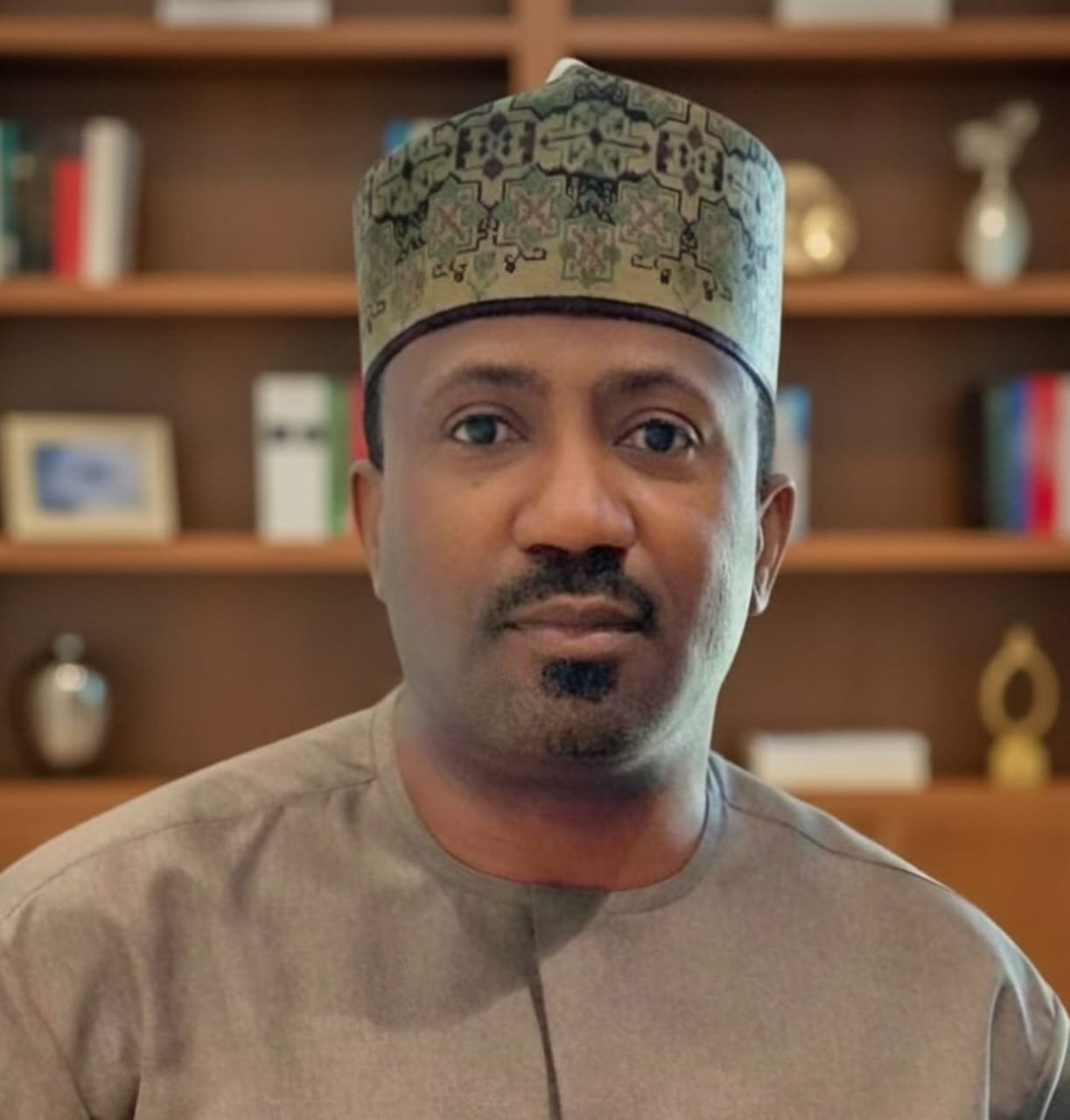
Umar Yakubu is the Executive Director of Center for Fiscal Transparency and Public Integrity.